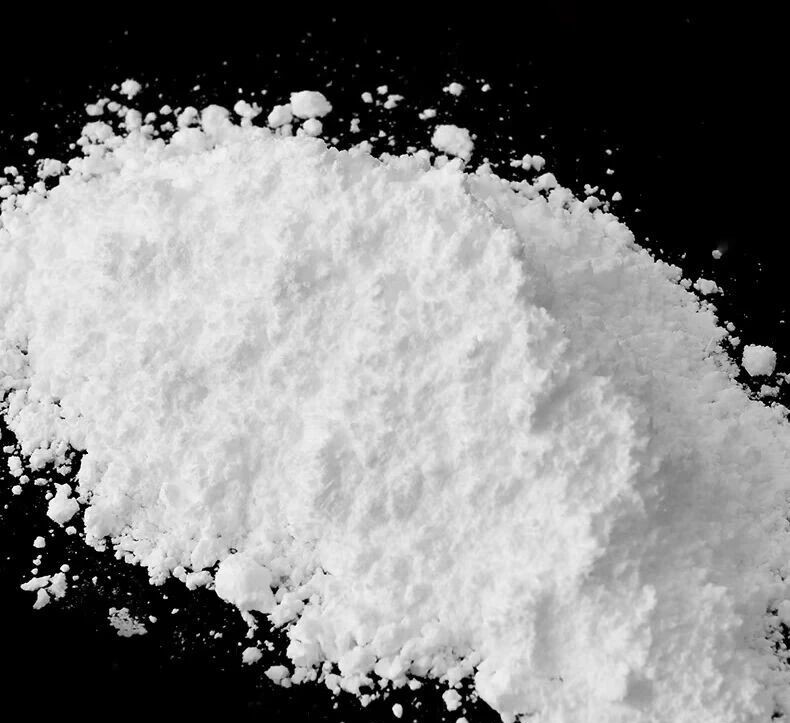
The concentration of creatine monohydrate production in China took place during the 2010s. Older production facilities in Europe, Japan, and South Korea were gradually shut down due to environmental regulations and high costs. In contrast, Chinese production lines—initially emerging in Shandong and Hebei—benefited from affordable domestic supplies of cyanamide and lower energy consumption; operating identical facilities abroad would cost over 30% more. China now accounts for 80% of global creatine monohydrate production capacity, with annual export volumes—according to General Administration of Customs data—hovering around 26,000 metric tons at an average export price of approximately $13 per kilogram. Creatine is synthesized from cyanamide and sodium sarcosinate; the investment required for a single production line is relatively modest, and the process is well-established. The true barrier to entry lies not in the synthesis itself, but in achieving high purity. Common impurities—such as dicyandiamide and creatinine—can easily contaminate the product, and even slight increases in their levels can impair the body's ability to absorb the creatine.
The price premium for creatine monohydrate is driven by factors such as inventory cycles in overseas markets, impurity control, brand development and promotion, and third-party certifications.
Sales volume fluctuates entirely based on the inventory cycles of overseas clients. Over the past two years, these cycles have followed a consistent pattern: as the U.S. and Europe—the world’s largest markets for nutritional supplements—replenish their stocks, there is a surge in exports during the second quarter to prepare for the peak summer sales season, often leading to fully booked shipping schedules. By the third quarter, restocking concludes and orders decline, while the fourth quarter is typically reserved for negotiating long-term contracts for the following year.
Beyond muscle building, creatine’s anti-aging properties and its efficacy for individuals with sarcopenia have expanded its user base well beyond the gym-going population. This shift in the user demographic has led to a diversification of product specifications; specialized forms—such as micronized powder and tablet-grade creatine—command higher premiums, with 200-mesh micronized powder and tablet-grade granules fetching prices 15% to 20% higher than standard versions.
Chinese manufacturers primarily earn a processing fee for raw materials, resulting in thin profit margins—even a slight price reduction can leave a manufacturer unable to cover their annual energy and labor costs. Meanwhile, U.S. and European supplement brands that market creatine to gym-goers and other target demographics capture the full value of the product’s premium through their brand equity.
Address:No. 338, Jingang Avenue, ZhangJiaGang City, Jiangsu Province, China. P.C.:215600Email:sales@healthchems.com
Tel:+86-512-58277800Fax:+86-512-58999904


