The concentration of creatine monohydrate production in China took place during the 2010s. Older production facilities in Europe, Japan, and South Korea were gradually shut down due to environmental regulations and high costs. In contrast, Chinese production lines—initially emerging in Shandong and Hebei—benefited from affordable domestic supplies of cyanamide and lower energy consumption; operating identical facilities abroad would cost over 30% more. China now accounts for 80% of global creatine monohydrate production capacity, with annual export volumes—according to General Administration of Customs data—hovering around 26,000 metric tons at an average export price of approximately $13 per kilogram. Creatine is synthesized from cyanamide and sodium sarcosinate; the investment required for a single production line is relatively modest, and the process is well-established. The true barrier to entry lies not in the synthesis itself, but in achieving high purity. Common impurities—such as dicyandiamide and creatinine—can easily contaminate the product, and even slight increases in their levels can impair the body's ability to absorb the creatine.
The price premium for creatine monohydrate is driven by factors such as inventory cycles in overseas markets, impurity control, brand development and promotion, and third-party certifications.
Sales volume fluctuates entirely based on the inventory cycles of overseas clients. Over the past two years, these cycles have followed a consistent pattern: as the U.S. and Europe—the world’s largest markets for nutritional supplements—replenish their stocks, there is a surge in exports during the second quarter to prepare for the peak summer sales season, often leading to fully booked shipping schedules. By the third quarter, restocking concludes and orders decline, while the fourth quarter is typically reserved for negotiating long-term contracts for the following year.
Beyond muscle building, creatine’s anti-aging properties and its efficacy for individuals with sarcopenia have expanded its user base well beyond the gym-going population. This shift in the user demographic has led to a diversification of product specifications; specialized forms—such as micronized powder and tablet-grade creatine—command higher premiums, with 200-mesh micronized powder and tablet-grade granules fetching prices 15% to 20% higher than standard versions.
Chinese manufacturers primarily earn a processing fee for raw materials, resulting in thin profit margins—even a slight price reduction can leave a manufacturer unable to cover their annual energy and labor costs. Meanwhile, U.S. and European supplement brands that market creatine to gym-goers and other target demographics capture the full value of the product’s premium through their brand equity.
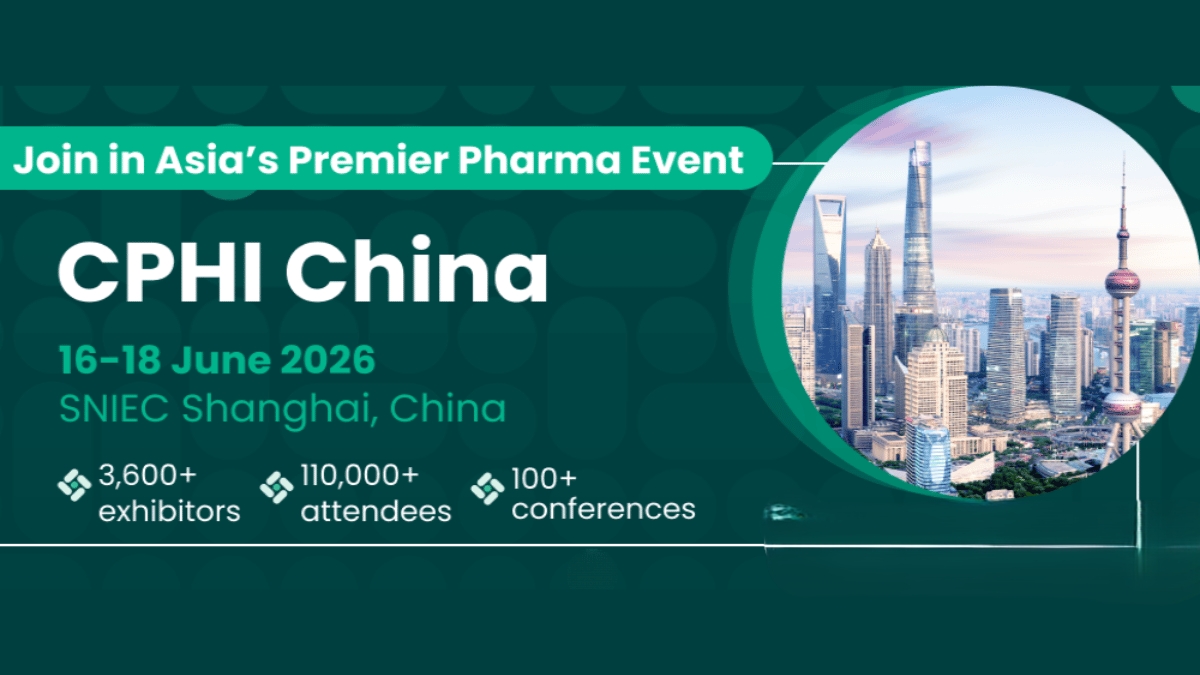
CPHI & PMEC China 2026 is set to be Asia’s most influential pharmaceutical exhibition, bringing together the entire global pharma supply chain under one roof. Scheduled from 16–18 June 2026, this flagship event will be held at the prestigious Shanghai New International Expo Center (SNIEC), Shanghai, China. Every year, thousands of pharmaceutical manufacturers, suppliers, buyers, and decision-makers attend this event to explore innovations, source cost-effective solutions, and build strong international partnerships. With China being a global pharmaceutical manufacturing hub, CPHI & PMEC China offers unmatched business opportunities for both domestic and international exhibitors.
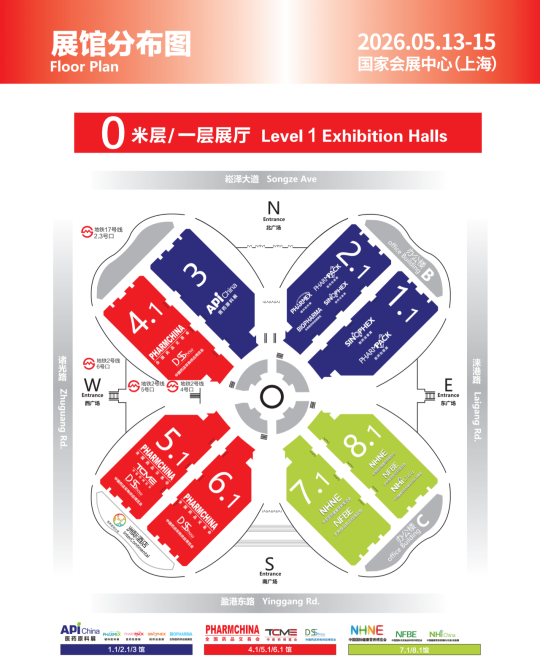
The 94th China International Pharmaceutical Raw Materials/Intermediates/Packaging/Equipment Trade Fair (API China) will be held concurrently with PHARMCHINA (National Pharmaceutical Fair) and NHNE (China International Health and Nutrition Expo) at the National Exhibition and Convention Center (Shanghai) from May 13-15, 2026. Nearly 4,000 exhibitors from the domestic and international pharmaceutical and health nutrition industries, over 500 industry experts and renowned scholars, and an estimated 150,000 attendees will participate. This grand event will cover 170,000 square meters across six halls, showcasing tens of thousands of products across over a hundred categories, including pharmaceutical raw materials, intermediates, pharmaceutical excipients, pharmaceutical packaging, pharmaceutical equipment, pharmaceutical preparations, medical consumables, health and nutrition products, special medical foods, and traditional tonics. The event aims to continuously optimize the pharmaceutical and health industry chain, strengthen the brand chain, and unleash new momentum for high-quality development.
The 93rd China International Pharmaceutical Ingredients/Intermediates/Packaging/Equipment Trade Fair (API China) will be held from November 12-14, 2025 at the Chongqing International Expo Center.
API China has been deeply rooted in the Chinese pharmaceutical market for over 40 years and has become an important platform for global pharmaceutical brands to expand into the Chinese market. API China's core mission is to serve innovation across the entire pharmaceutical supply chain, covering products and technologies at every stage from R&D to production. It gathers global pharmaceutical companies and supply chain resources, and hosts a wealth of conferences, forums, and industry events concurrently, keeping abreast of policy trends and driving innovation in the pharmaceutical industry.
From June 24th to 26th, 2025, the 23rd World Pharmaceutical Ingredients China Exhibition & the 18th World Pharmaceutical Machinery, Packaging Equipment and Materials China Exhibition (CPHI & PMEC China 2025), a grand event covering the entire Asian pharmaceutical industry chain, will be held at the Shanghai New International Expo Centre (Pudong). Organized by Informa Markets and the China Chamber of Commerce for Pharmaceuticals & Health Products Import & Export, and co-organized by Shanghai UBM Sinoexpo International Exhibition Co., Ltd.
Against the backdrop of a complex and volatile global economic environment, CPHI & PMEC China 2025 will once again demonstrate the resilience and vitality of China's pharmaceutical industry, helping companies overcome innovation bottlenecks and build a globally competitive pharmaceutical ecosystem. This year's exhibition will cover a total area of over 230,000 square meters, bringing together more than 3,500 pharmaceutical companies from home and abroad, and is expected to attract over 100,000 professional visitors from around the world, creating an international platform integrating business negotiations, product display, technical exchange, and industrial cooperation. The exhibition will join hands with pharmaceutical colleagues to lead the way overseas and jointly explore the vast world of international trade!
Address:No. 338, Jingang Avenue, ZhangJiaGang City, Jiangsu Province, China. P.C.:215600Email:sales@healthchems.com
Tel:+86-512-58277800Fax:+86-512-58999904


