Your Location:Home > Products > 2-Fluoro-3-Nitrobenzoic Acid
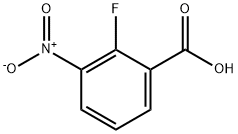
CAS No:317-46-4
MF:C7H4FNO4
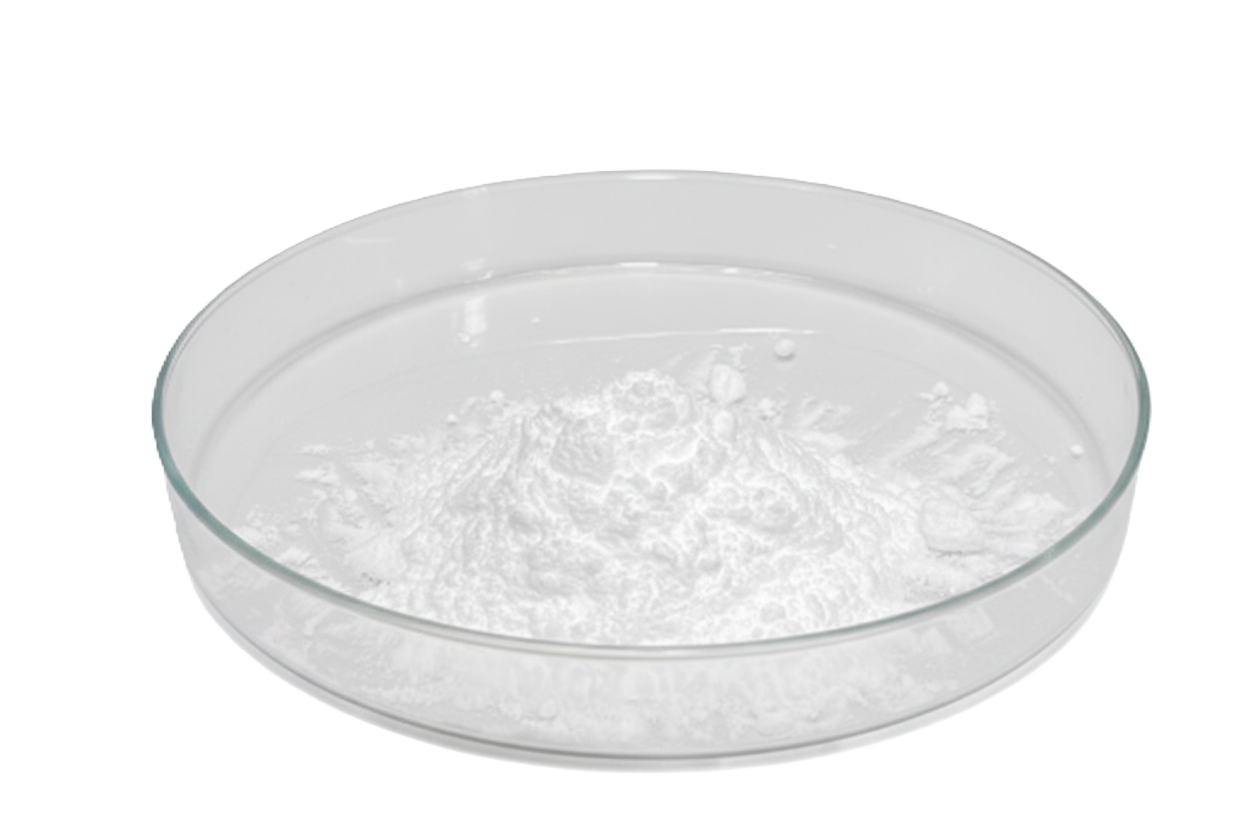
Appearance:white or off-white crystalline powder
Specification:98.5%
Package:25kgs/drum
Supply Capacity:Tons
Synonyms:2-Fluoro-3-nitrobenzoic acid; Benzoic acid,2-fluoro-3-nitro-;2-FLUORO-3-NITROBENZOIC ACID;2-Fluoro-3-nitrobenzoic acid+B244;2-Fluoro-3-nitrobenzoic acid 99%;3-Carboxy-2-fluoronitrobenzene;3-Pyridinecarboxylic acid, 4-aMino-;2-fluoro-3-nitro benzic acid;2-fluoro-3-nitro beneficial acid; 2-Fluoro-3-nitrobenzoic acid,2-Fluoro-3-nitrobenzoic Acid; 317-46-4; DTXSID30953651; DTXCID801381697; 630-017-4; 2-FLUORO-3-NITROBENZOICACID; MFCD06797825; 2-Fluoro-3-nitro-benzoic acid; 3-Carboxy-2-fluoronitrobenzene; Nitro-fluor-benzoesaure; SCHEMBL6402; 3-Nitro-2-fluorobenzoic acid; WLGUSLGYTNJJFV-UHFFFAOYSA-N; SBB064397; AKOS005063954; AC-3982; CS-W004764; FF34112; AS-19098; SY030954; EN300-181911,185.110,C7H4FNO4,;
Applications:
The molecular structure of 2-Fluoro-3-Nitrobenzoic Acid contains three highly reactive functional groups: fluorine, nitro, and carboxyl. Each functional group can serve as a reaction site for derivatization, giving it the core advantage of "multi-pathway transformation and multi-domain adaptability." Downstream applications cover three core areas: pharmaceuticals, pesticides, and dyes.
1. In the pharmaceutical field, it serves as a key precursor for targeted drugs.
As a pharmaceutical intermediate, its core value lies in the enhancement of drug activity by the fluorine atom—the strong electronegativity of the fluorine atom enhances the binding force between drug molecules and target proteins, while simultaneously improving metabolic stability.
Main applications include:
Synthesis of antifungal drugs: Through reactions such as carboxyl esterification and nitro reduction, fluorobenzimidazole antifungal raw materials are prepared, exhibiting highly efficient inhibitory activity against common pathogenic bacteria such as Candida albicans.
Customized pharmaceutical intermediates: Providing fluorinated aromatic structural units with specific configurations for targeted drug development, adapting to the personalized needs of innovative drug development. For example, the synthesis of the BRAF inhibitor dabrafenib.
2. In the pesticide field, it serves as a synthetic intermediate for highly effective insecticides.
With pesticide research and development upgrading towards "high efficiency, low toxicity, and environmental friendliness," fluorinated pesticides have become the mainstream due to their unique mechanism of action and long-lasting effect.
The core applications of 2-fluoro-3-nitrobenzoic acid are:
Synthesis of diamide insecticides: Insecticide active ingredients with an aromatic ring as the core, with an amide bond attached to two different sites on the aromatic ring. Major agrochemical companies pay close attention to this type of insecticide and have high hopes for its sales.
Downstream applications include, but are not limited to: various structures such as brofenoxuron-methyl, cycloflufenoxuron-methyl, and polyflufenoxuron-methyl.
Optimization of pesticide physicochemical properties: The introduction of fluorine atoms can improve the lipid solubility and systemic conductivity of pesticides, allowing the drug to penetrate the crop epidermis more easily and improving control efficiency.
3. In the dye and new materials field, it serves as a raw material for special functional materials.
In the field of high-end dyes and functional materials, it is mainly used to synthesize fluorinated azo dyes. The introduction of fluorine atoms can improve the lightfastness, weather resistance and color brightness of dyes, meeting the high-end needs of textiles, printing and other fields; at the same time, fluorinated polyimide precursors can be prepared through carboxyl amidation reaction, which can be used for the production of high-temperature resistant films in the field of electronic materials.
Address:No. 338, Jingang Avenue, ZhangJiaGang City, Jiangsu Province, China. P.C.:215600Email:sales@healthchems.com
Tel:+86-512-58277800Fax:+86-512-58999904


