Your Location:Home > Products > Diantimony trioxide

CAS No:1309-64-4
MF:Sb2O3
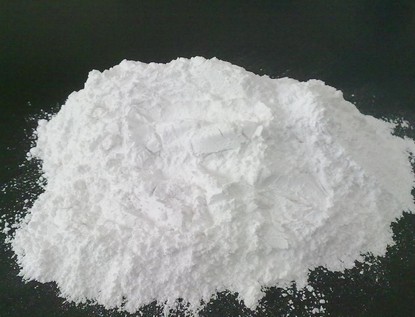
Appearance:white or off-white fine powder
Specification:99.5%
Package:25kgs/bag
Supply Capacity:Tons
Synonyms:Diantimony trioxide; Antimony(III) oxide; Antimony trioxide; DI-ANTIMONY TRIOXIDE;ANTIMON(III)OXIDE;ANTIMONY TRIOXIDE;ANTIMONY OXIDE;ANTIMONOUS OXIDE;ANTIMONY(+3)OXIDE;SB OXIDE;a1530; Antimony Trioxide,"Diantimony trioxide; ANTIMONY TRIOXIDE; 1309-64-4; Antimonious oxide; Exitelite; Timonox; Twinkling star; Antimony White; Thermoguard B; Thermoguard L; Thermoguard S; White star; Fireshield H; Dechlorane A-O; Stibiox MS; Amspec-KR; Patox C; Patox H; Patox L; Patox M; Patox S; Atox B; Atox F; Atox R; Atox S; Antimony oxide (Sb2O3); Antimony sesquioxide; Timonox White Star; Microfine A 05; Octoguard FR 10; Flameguard VF 59; Chemetron fire shield; Antimony(3+) oxide; Flame Cut 610; Flame Cut 610R; Antimony Bloom 100A; Antimony Bloom 500A; Weisspiessglanz; Nyacol A 1510LP; Fireshield FSPO 405; Nyacol A 1530; AP 50 (metal oxide); NCI-C55152; AT 3B; LSB 80; AP 50; A 1588LP; ANTIMONIUM OXYDATUM; Antimony oxide (SB203); P217481X5E; CI 77052; C.I. 77052; A 1582; oxostibanyl stibinate; DTXCID303880; 215-175-0; Antox; DTXSID4023880; Senarmontite; antimony(3+);oxygen(2-); oxygen(-2) anion; 12412-52-1; Valentinite; FireShield LS-FR; LS-FR; Weisspiessglanz [German]; EINECS 215-474-6; AT 3 (fireproofing agent); MIC 3; CCRIS 4495; HSDB 436; HM 203P; EINECS 215-175-0; AN 800; Nyacol A-1530; O3Sb2; Sb2O3,; SCHEMBL302281; ANTIMONY TRIOXIDE [MI]; ANTIMONY TRIOXIDE [HSDB]; ANTIMONY TRIOXIDE [IARC]; UNII-P217481X5E; ANTIMONIUM OXYDATUM [HPUS]; AKOS030228225; EC 215-175-0; Q409035; 1317-98-2",291.520,O3Sb2,;
Application:
Diantimony trioxide, commonly known as antimony oxide, is one of the earliest and most widely used flame retardant synergists in the industrial field.
1: Flame Retardant Synergist
Diantimony trioxide is currently a widely used flame retardant synergist, exhibiting excellent synergistic effects when used in combination with halogenated flame retardants. It is widely used in engineering plastics such as PVC, PP, PE, PS, ABS, PU, and nylon, as well as synthetic rubber, synthetic resins, paper, canvas, and textiles. Typical applications include flame-retardant wires and cables, electronic device housings, flame-retardant vehicle bodies, and fire-resistant uniforms.
2: Fire-retardant Coatings and Paints
Due to its flame-extinguishing properties, diantimony trioxide is a core component of fire-retardant coatings. It is also used as a white pigment in the paint industry, providing good coverage and weather resistance.
3: Catalysts and Additives
In the petrochemical industry, it is often used as a passivating agent in heavy oil catalytic cracking and catalytic reforming processes. In the chemical fiber industry, it is an important and highly efficient catalyst in the synthesis of polyester fibers (PET).
4. Glass and Ceramic Industry: Diantimony trioxide is used as a defoamer and decolorizing agent in glass melting, effectively removing bubbles from molten glass. It is often used to replace arsenous acid as a glass clarifying agent, resulting in a more transparent and pure finish.
5. Enamel and Ceramic Industry: It is used as a masking agent and opaque agent in enamel and ceramic products. It significantly increases the opacity of enamel and enhances the gloss and whiteness of the surface.
6. Electronic Materials and Chemical Raw Materials: Used in the manufacture of pressure-sensitive ceramics and non-magnetic ceramics for magnetic head parts. It is also a basic raw material for the production of various antimony salts (such as potassium antimony tartrate) and various antimony compounds.
7. Other Industrial Applications: It is also widely used in pharmaceutical synthesis, as a cementitious filler, mordant, anti-glare agent, and in specialized fields such as metallurgy and military industry.
Address:No. 338, Jingang Avenue, ZhangJiaGang City, Jiangsu Province, China. P.C.:215600Email:sales@healthchems.com
Tel:+86-512-58277800Fax:+86-512-58999904


