Your Location:Home > Products > Personal Care and Cosmetics > water suluble Beta-1,3-Glucan; Salecan
CAS No:1439905-58-4
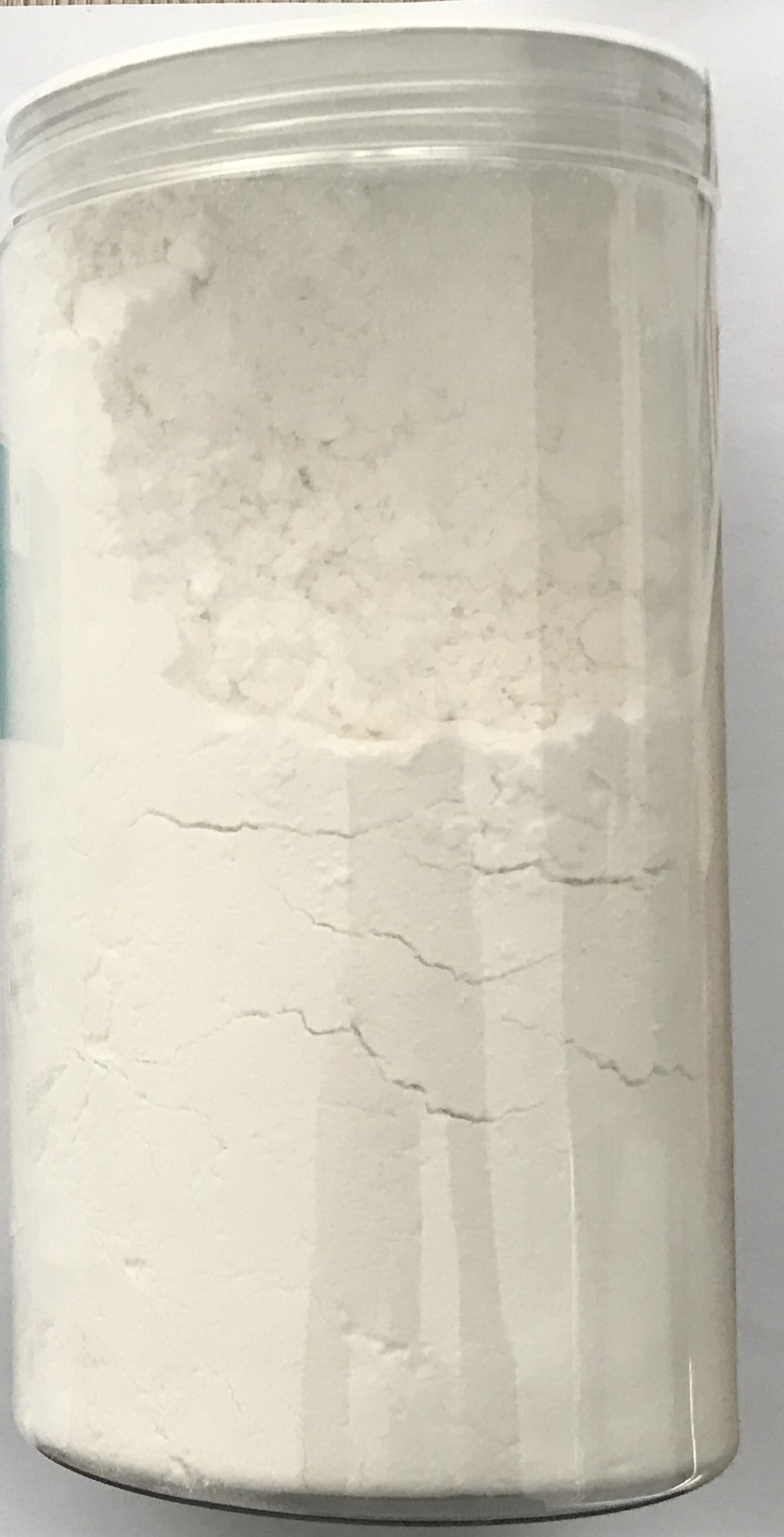
Appearance:white or off-white crystalline powder
Specification:90%, water solution
UN number:-
Package:1/5/10/25kgs/drum
Supply Capacity:KGS
Synonyms:Salecan;High-EPS
Product application:Beta-1,3-Glucan,1439905-58-4,Salecan,Beta-1,3-D-glucan,Water-soluble beta-glucan,Fermentation derived glucan,Cosmetic grade beta-glucan,Skin barrier repair active,Natural film-forming humectant,Macrophage activator,Wound healing hydrogel polymer,Medical dressing biomaterial,Anti-fatigue dietary ingredient,Immune boosting polysaccharide,High molecular weight glucan,Highly soluble Salecan 95%,Low protein Salecan,CAS 1439905-58-4 supplier,Beta-1,3-Glucan manufacturer China,Suzhou Health Chemicals bio-polysaccharides,Salecan wholesale bulk export
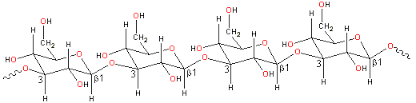
Beta-1,3-Glucan is widely utilized across advanced dermatological barrier repair cosmetic formulations, post-aesthetic surgical regenerative dressing manufacturing, bioactive hydrogel tissue engineering scaffolding, functional nutraceutical fatigue-reduction compounding, and targeted pharmaceutical macromolecular drug delivery sectors. In cosmetic dermatology and personal care science, universally recognized in advanced biopolymer research as Salecan, it represents a breakthrough third-generation extracellular polysaccharide produced via precision microbial fermentation; unlike insoluble yeast glucans requiring chemical alkylation or heterogeneous oat fractions, its regular linear beta-1,3-D-glucan architecture achieves natural, complete aqueous solubility while forming cohesive, flexible viscoelastic hydrogel matrices; upon topical contact, it forms an invisible, breathable moisture-locking macromolecular film that drastically suppresses transepidermal water loss while interacting directly with dermal macrophage and Langerhans cell receptors; this receptor-mediated pathway downregulates pro-inflammatory cytokines, stimulates native collagen biosynthesis, and promotes rapid fibroblast migration to accelerate re-epithelialization in compromised, post-procedure, and atopic skin phenotypes; in advanced wound care and regenerative biomedicine, its purified hydrogel scaffold exhibits non-cytotoxic biocompatibility, enzymatic resistance, and controlled fluid absorption, making it an ideal substrate for chronic ulcer dressings, hemostatic matrices, and injectable dermal tissue augmentations; in sports nutrition and dietary health formulations, it operates as a bioactive functional fiber that modulates hepatic glycogen storage and cellular oxidative stress pathways to alleviate physical exertion fatigue while bolstering systemic immune resilience across commercial manufacturing operations.
Address:No. 338, Jingang Avenue, ZhangJiaGang City, Jiangsu Province, China. P.C.:215600Email:sales@healthchems.com
Tel:+86-512-58277800Fax:+86-512-58999904


